Mastoid Surgery in London
Specialist assessment and surgical treatment for cholesteatoma and chronic ear disease with Mr Max Whittaker, Consultant ENT Surgeon specialising in otology.
Mastoid surgery may be required where disease extends beyond the middle ear into the mastoid bone. The principal objective is usually to remove or control disease and create a safe, stable ear.

Specialist surgical management of selected cholesteatoma and chronic ear disease.
What is the mastoid?
The mastoid is the part of the temporal bone behind the ear containing air spaces connected to the middle ear.
Disease in the middle ear can sometimes extend into these mastoid air cells.
Chronic infection or cholesteatoma may therefore involve both the middle ear and the mastoid.
When disease cannot be controlled safely with observation or medical treatment alone, surgery may be needed to remove disease and protect the surrounding structures.
Why does cholesteatoma require specialist treatment?
Cholesteatoma is an abnormal collection of skin cells within the middle ear or mastoid.
Cholesteatoma can progressively damage structures within the ear if it is not appropriately managed.
It can erode the hearing bones, contribute to chronic discharge and affect nearby structures.
Surgery is commonly considered when cholesteatoma is present because the main objective is removal and control of the disease.
The exact operation depends on the extent and position of the disease, previous surgery and the anatomy of the individual ear.
When might mastoid surgery be required?
The decision depends on the underlying condition, extent of disease, hearing and previous treatment.
Cholesteatoma
Disease within the middle ear or mastoid may require surgical removal.
Chronic ear discharge
Persistent or recurrent discharge can be associated with chronic disease requiring further assessment.
Chronic infection
Repeated infection may indicate underlying middle-ear or mastoid disease.
Ossicular damage
Chronic disease can damage the middle-ear hearing bones and contribute to conductive hearing loss.
Previous ear surgery
Recurrent or residual disease after previous surgery may require further specialist treatment.
Extensive middle-ear disease
Disease extending beyond areas accessible through the ear canal may require mastoid access.
Assessing the extent of chronic ear disease
Surgery is planned according to the pattern and extent of disease rather than from symptoms alone.
Clinical history
Discharge, infection, hearing loss, pain, previous operations and other symptoms are reviewed.
Ear examination
The ear canal, tympanic membrane and visible middle-ear structures are assessed carefully.
Hearing assessment
Audiology can help determine the type and degree of hearing loss.
Imaging where required
Imaging may be considered where it is useful for defining the extent of disease or surgical anatomy.
What is mastoid surgery intended to achieve?
Remove or control disease
The primary objective is to remove cholesteatoma or chronic disease where clinically appropriate.
Create a safe ear
Treatment aims to reduce the risk of continuing damage or complications from persistent disease.
Preserve useful structures where possible
Surgery is planned around both disease control and preservation of healthy ear structures where this can be done safely.
Consider hearing reconstruction
Hearing reconstruction may be considered where appropriate, but disease control takes priority.
The operation is tailored to the extent of disease
Different approaches may be used depending on where disease is located and whether previous surgery has already altered the anatomy.
Endoscopic assessment
Endoscopes may be useful for inspecting selected areas of the middle ear and can complement other surgical approaches.
Endoscopic Ear Surgery →Mastoidectomy
The mastoid can be surgically opened when access is required to remove disease extending into the mastoid air-cell system.
Middle-ear repair
Eardrum or ossicular reconstruction may be considered during the same operation or at a later stage depending on the condition of the ear.
Ossiculoplasty →Will mastoid surgery improve hearing?
Hearing outcome varies and cannot be guaranteed.
The first priority in cholesteatoma and chronic ear disease is usually to create a safe ear and control disease.
Hearing may already be affected by damage to the eardrum, hearing bones or inner ear.
In selected cases, eardrum or ossicular reconstruction may be carried out during the same procedure.
In other situations, reconstruction may be delayed until the ear is stable and disease control has been established.
Learn about Ossiculoplasty →Recovery after mastoid surgery
Recovery depends on the extent of disease, surgical approach, reconstruction performed and individual healing.
Patient InformationDressings and packing
Ear packing or dressings may be used after surgery according to the procedure.
Keep the ear protected
Water precautions may be required while the ear heals.
Attend follow-up
Follow-up is important so healing and disease control can be assessed.
Long-term review may be needed
Cholesteatoma and chronic ear disease can require continued surveillance after surgery.
Resume activities gradually
Work, exercise, swimming and other activities should follow the advice provided by the surgical team.
Ask before flying
There is no universal postoperative flying interval for mastoid or middle-ear surgery. Follow your surgeon’s individual advice.
Why can long-term follow-up be important?
Treatment does not always end when the operation is complete. Some patients require ongoing surveillance of the operated ear.
Follow-up allows healing, hearing and the condition of the ear to be reviewed over time.
Depending on the disease and procedure, additional clinical review or investigations may be recommended.
The frequency and duration of follow-up are therefore determined individually rather than by a single schedule for every patient.
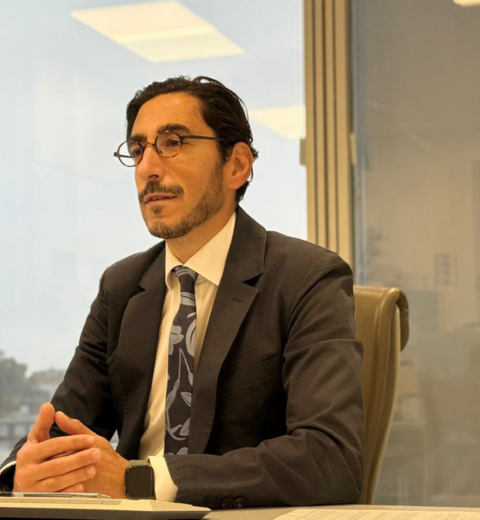
Specialist expertise in chronic ear disease
Mr Max Whittaker specialises in otology, chronic ear disease, hearing loss and endoscopic ear surgery.
His advanced training includes Otology and Skull Base Surgery at Guy’s and St Thomas’, alongside international observership experience at the House Institute in California and Toronto General Hospital.
Mr Whittaker holds an MSc with Distinction in Audiovestibular Medicine from UCL and is Clinical Lead in Otolaryngology at Homerton Healthcare NHS Foundation Trust.
From specialist assessment to treatment planning
Book your consultation
Submit a secure appointment request and indicate your preferred clinic location.
Request consultation →Examine the ear
Symptoms, previous disease and surgery are considered alongside detailed ear examination.
Define the extent of disease
Hearing tests and imaging may be considered where they are clinically appropriate.
Discuss treatment
The objectives, risks, alternatives, surgical approach and likely follow-up can then be discussed individually.
Common questions about mastoid surgery
The type of operation and follow-up required depend on the individual disease pattern.
Mastoid surgery involves operating on the mastoid bone and connected middle-ear spaces, commonly to treat chronic disease or cholesteatoma.
Cholesteatoma is an abnormal collection of skin cells within the middle ear or mastoid. It can progressively damage nearby ear structures if not appropriately managed.
No. Disease control and creation of a safe ear are often the first priorities. Hearing outcome depends on the eardrum, ossicles, middle ear and inner-ear function.
Endoscopic techniques can be useful in selected cases or as part of a combined operation. More extensive disease may require mastoid and microscopic access.
Some patients with cholesteatoma or chronic ear disease require continuing review after surgery. The frequency and duration depend on the individual condition and procedure.
There is no universal interval appropriate for every patient. Your surgical team should confirm when it is safe to fly according to your operation and healing.
Use the secure Book Consultation page to submit an appointment request. The clinic team will contact you to confirm availability and appointment details.
Arrange specialist assessment for cholesteatoma or chronic ear disease
Request a private consultation with Mr Max Whittaker to discuss your symptoms, hearing and treatment options.